As a plastic surgeon, one of the most frequent questions I get in consultation is: “Doctor, can I get the results of a facelift without actual surgery?”
In an era driven by minimal downtime and instant gratification, the Thread Lift has emerged as one of the most talked-about procedures in aesthetic medicine. But with so much social media hype, it is essential to separate marketing promises from clinical reality.
Here is my honest, expert breakdown of how thread lifts work, who they are best for, and what you can realistically expect.
What Exactly Is a Thread Lift?
A thread lift is a minimally invasive, non-surgical procedure designed to subtly lift and firm sagging facial tissue. Using tiny, medical-grade dissolvable sutures, we gently pull the skin taut while anchor points keep the tissue in a higher, more youthful position.
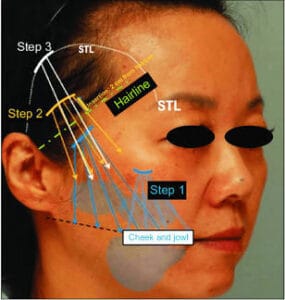
The Dual-Action Mechanism
What makes modern thread lifts fascinating from a surgical perspective is that they work in two distinct phases:
Immediate Mechanical Lift: The threads feature tiny barbs or cones that grasp onto the subcutaneous tissue, allowing us to reposition the skin immediately.
Long-Term Collagen Stimulation: As your body gradually absorbs the threads over 6 to 12 months, it triggers a natural healing response. This process stimulates fresh collagen and elastin production around the thread pathways, maintaining skin firmness long after the threads have dissolved.
Thread Types: PDO vs. PLLA vs. PCL
Not all threads are created equal. Depending on your skin thickness and aesthetic goals, we select different bio-absorbable materials:
Who Is the Ideal Candidate?
Managing expectations is the single most important part of my job. A thread lift is not a replacement for a surgical facelift, and attempting to treat severe skin laxity with threads will only lead to disappointment.
You Are a Great Candidate If You Have:
Mild to moderate laxity in the mid-face, jowls, or neck.
Good baseline skin thickness and elasticity.
Realistic expectations (aiming for a refreshed 2–3 mm lift rather than a dramatic transformation).
A desire to avoid general anesthesia or surgical recovery time.
When Surgery Is Better:
If there is significant skin excess, deep structural sagging, or heavy volume loss, a surgical deep-plane facelift remains the gold standard. Threads simply cannot hold up heavy, excess tissue without creating unnatural dimpling or snapping.
What to Expect: Procedure & Recovery
In-Office Procedure: Performed under local anesthesia in 45–60 minutes.
Placement: Using a blunt-tipped cannula, threads are strategically inserted into the fat layer beneath the skin.
Downtime: Expect mild swelling, slight bruising, and a feeling of tightness for 3 to 7 days.
Results: Immediate visible lift, with peak skin texture improvements appearing around week 6 to 8 as new collagen builds.
Final Thoughts from the Surgeon
When performed by an experienced practitioner with a deep understanding of facial anatomy, a thread lift is an exceptional bridge between non-invasive skincare and open surgery. It offers a subtle, natural refinement that enhances your features without looking “worked on.”
If you are curious whether threads or another modality is right for your unique anatomy, schedule a thorough consultation so we can map out a customized plan for you.