Peptides are short chains of amino acids that send powerful signals to skin cells, directing them to perform specific functions. However, there are many types of peptides. In recent years, skincare experts have embraced peptides because they target key signs of aging, improve skin health, and support hair and nail growth. Each peptide plays a unique role, some stimulate collagen and elastin production, others relax facial muscles to reduce wrinkles, and certain peptides enhance healing and hydration.
Knowing the different types of peptides helps you choose the right products for your skin concerns. For example, Matrixyl reduces fine lines and boosts firmness, GHK-Cu promotes repair and regeneration, and Argireline, often called “Botox in a jar,” smooths wrinkles. You can combine peptides with ingredients like hyaluronic acid and antioxidants to maximize their benefits, making them versatile tools in any skincare routine.
In this blog, we explore the most effective types of peptides for skin, hair, and nails, explain how they work, highlight their key benefits, and show how to incorporate them into your daily routine. Whether your goal targets anti-aging, hydration, or strengthening nails and hair, understanding peptides enables you to make informed choices for healthier, more youthful-looking skin.
Copper Petides GHK-Cu
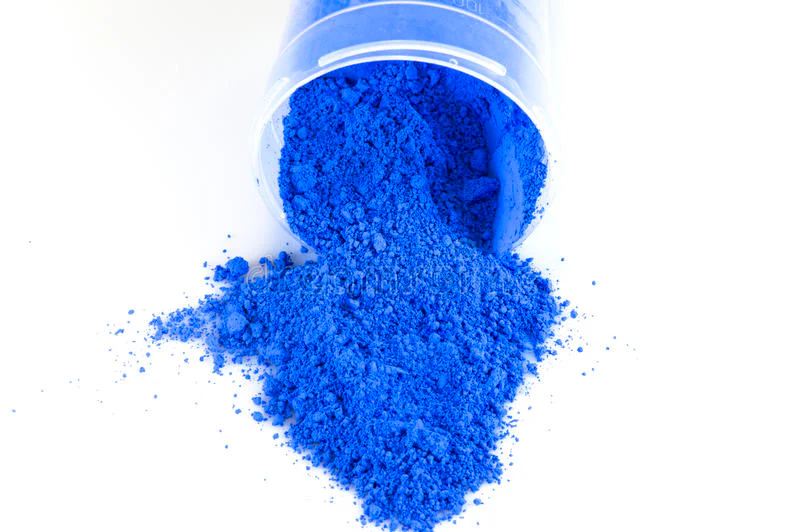
Perhaps Copper peptides represent one of the most powerful peptides for healthy, firm, and youthful skin. Fortunately, unlike acids or retinoids, they rarely cause dryness or peeling.
They give a fresh, healthy glow and accelerate natural skin renewal by delivering oxygen and nutrients more efficiently. Additionally, they support even pigmentation by increasing cell turnover and reducing oxidative stress. Moreover, copper acts as a strong antioxidant that neutralizes free radicals from UV exposure and pollution.
Copper peptides also accelerate skin repair by promoting new cell growth and reducing inflammation, which makes them ideal for scars, especially acne scars. They enhance hydration and strengthen the skin barrier by stimulating the production of glycosaminoglycans, such as hyaluronic acid.
Finally, copper peptides serve as one of the most effective tools against aging. They stimulate fibroblasts, the cells that produce collagen and elastin, which firms and lifts the skin while smoothing fine lines.
Keratin Peptides
Keratin is a structural protein that strengthens and forms the hair and nails. The skin, nail bed, and hair root cannot absorb keratin like other proteins. However, the body can absorb small fragments of keratin protein called keratin peptides.
Keratin peptides penetrate the hair shaft and nail plate. They fill in weak spots, reducing brittleness, split ends, and nail breakage. As a result, hair feels thicker and nails become harder.
Keratin peptides not only strengthen hair and nails, but they also repair damage from chemicals, heat styling, or frequent manicures. Moreover, keratin peptides bind water, keeping hair flexible and nails hydrated, which prevents breakage caused by dehydration.
Argireline Peptides
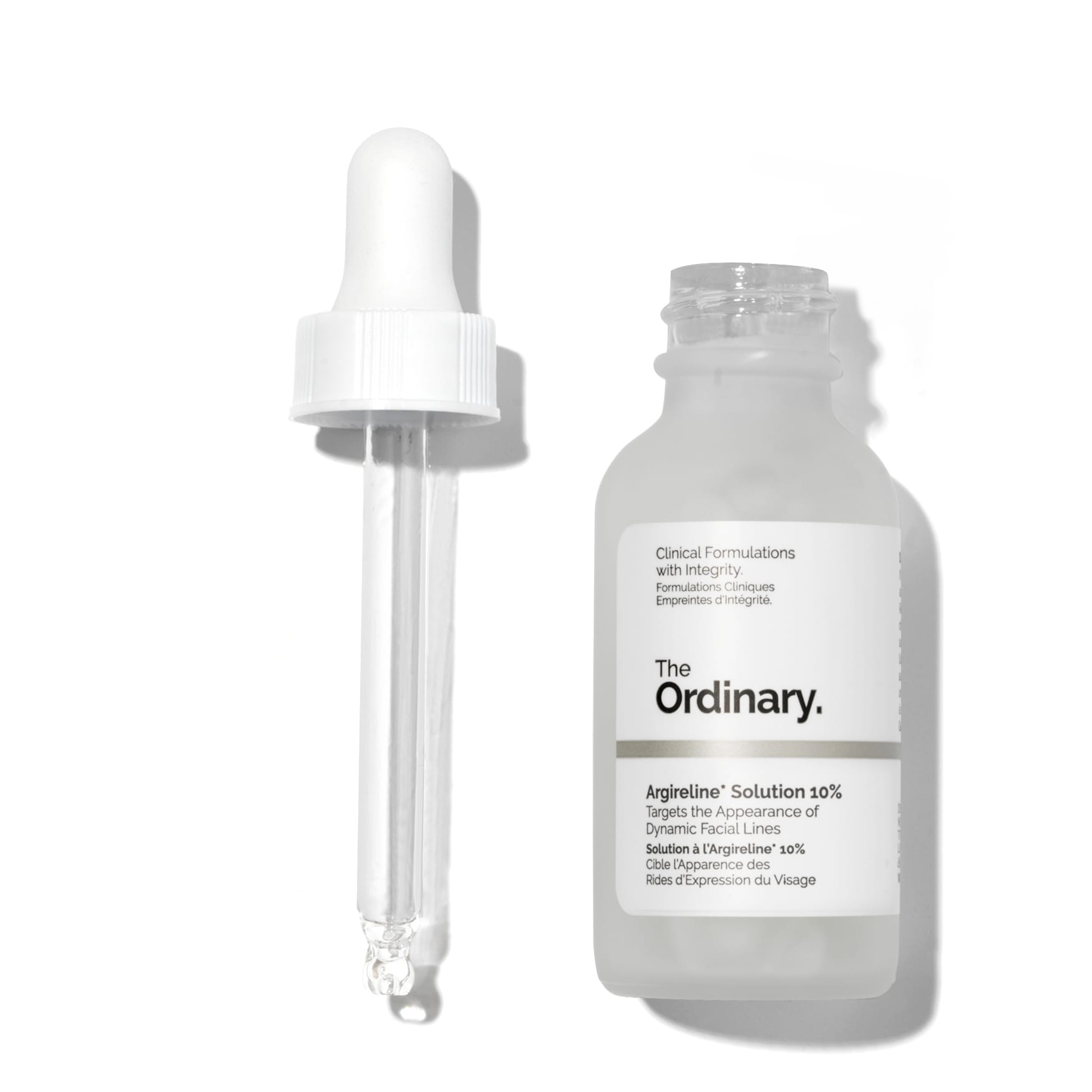
If you're looking for something that mimics Botox and acts like it without going under the knives, then your best bet would be Argireline peptides. People often call it “Botox in a jar." Scientists also call it Acetyl Hexapeptide-8; skincare brands widely use it in anti-aging products. It works by reducing facial muscle contractions that cause expression lines, such as forehead wrinkles and crow’s feet.
The peptide targets SNARE proteins, which transmit signals that make muscles contract. By interfering with this process, Argireline gradually softens repetitive facial movements, helping to prevent new dynamic wrinkles from forming and reducing the appearance of existing fine lines. While it doesn’t eliminate deep static wrinkles, it effectively smooths lines caused by repeated expressions.
People typically apply Argireline as a serum or cream, with concentrations ranging from 2–10%, once or twice daily on clean, dry skin. Consistent use usually produces visible results after 4–6 weeks. It feels gentle, suits most skin types, and brands often combine it with other anti-aging ingredients, such as Matrixyl or hyaluronic acid, for enhanced results. Consistent application helps you achieve smoother, younger-looking skin.